










Energy Sources and the Critical Role of ROV Inspection Underwater
From solar and wind to oil and nuclear, every energy source relies on infrastructure that needs inspection. See how underwater ROVs keep it operational.
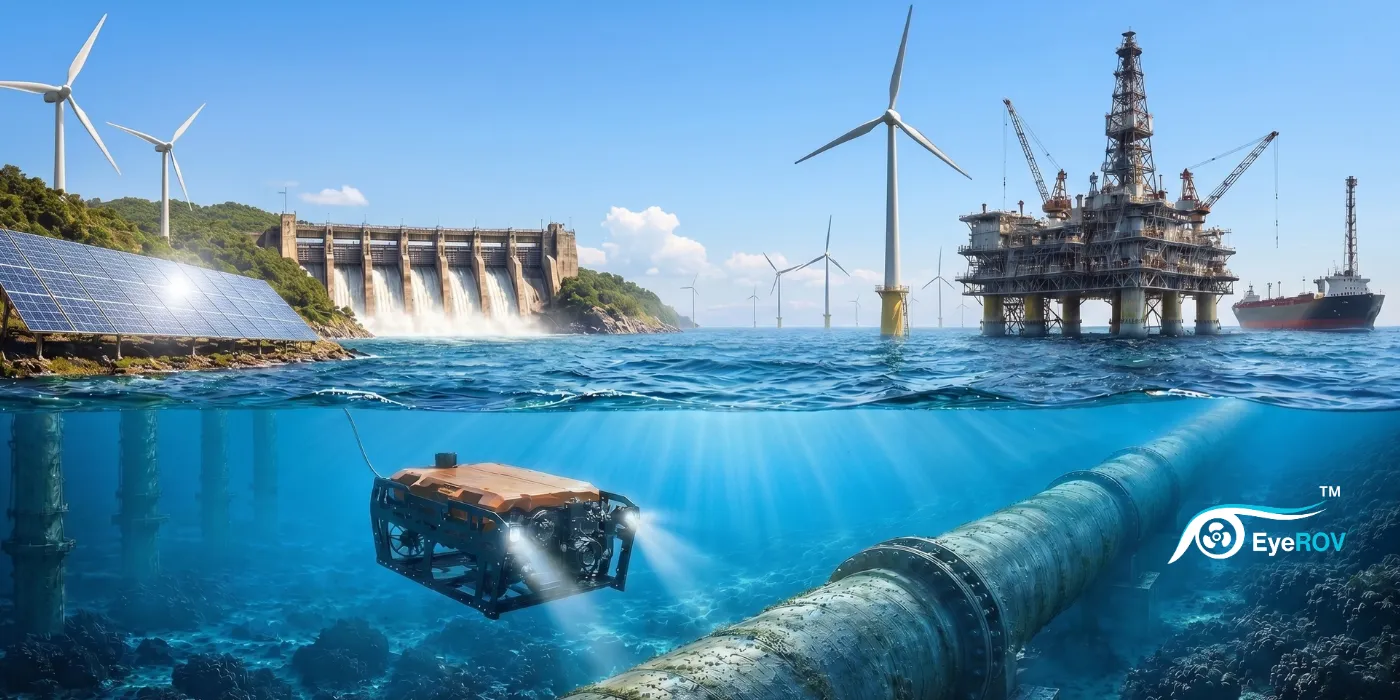
Every energy source has a visible side, solar panels, wind turbines, power lines. The part worth paying attention to is the side you can’t see. Beneath oceans, reservoirs, and rivers lies the real backbone of global energy, pipelines, turbine foundations, dam walls, structures that don’t announce when something goes wrong, and don’t forgive operators who stop looking. This is a look at the major energy sources powering the world today, the underwater infrastructure they depend on, and why inspection below the surface has become one of the most critical operations in modern energy.
What Are Energy Sources?
An energy source is any material or natural phenomenon that can be converted into usable power, electricity, heat, or fuel. Energy sources are broadly classified as renewable or non-renewable, and as primary (found in nature) or secondary (converted from a primary source, like electricity).
Classification of Energy Sources
Renewable Energy Sources
Renewable energy comes from naturally replenishing processes, sunlight, wind, flowing water, geothermal heat, and biomass. These sources produce minimal direct emissions and are central to global decarbonisation targets.
Non-Renewable Energy Sources
Non-renewable sources, coal, oil, natural gas, and nuclear, are finite. Fossil fuels release carbon dioxide when burned. Despite this, they continue to supply the majority of global energy due to their energy density and established infrastructure.
Major Energy Sources at a Glance
Renewable
- Solar - most abundant energy resource; PV panels and concentrated solar systems
- Wind - onshore and offshore turbines; offshore wind depends on subsea foundations and cables
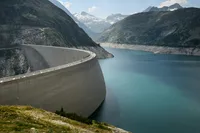
- Hydroelectric - reliable baseload power from dams and penstocks with submerged civil structures
- Geothermal - taps Earth’s internal heat; consistent, low-footprint generation
- Biomass - organic material converted to heat, biogas, or biofuels; dispatchable and storable
Non-Renewable
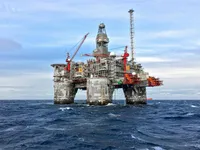
- Oil & Petroleum - dominant transport fuel; offshore operations involve wellheads, risers, and SPM systems
- Natural Gas - cleaner combustion fuel; extensive subsea pipeline networks across ocean floors
- Coal - historically dominant for power generation; declining in most developed economies
- Nuclear - zero direct emissions; high-density baseload power with renewed global interest
Challenges in Modern Energy Operations
Infrastructure Maintenance and Safety
Energy infrastructure, dams, offshore platforms, subsea pipelines, and wind turbine foundations, operates under continuous physical stress. Corrosion, biofouling, sediment buildup, and structural fatigue are persistent threats. Maintenance failures carry serious consequences: unplanned outages, environmental damage, and safety incidents.
Monitoring Offshore and Underwater Assets
Offshore and underwater infrastructure is the hardest to maintain. Traditional methods, saturation diving and manned inspection, are costly, limited by depth and weather, and expose personnel to significant risk. For assets spanning kilometres of seabed or buried beneath reservoir floors, they are simply not scalable.
The Role of Robotics and Inspection Technology in Energy
Remotely operated vehicles (ROVs) have fundamentally changed what is possible in underwater energy asset inspection.
In offshore oil and gas, ROVs inspect wellheads, risers, flowlines, and mooring systems at depths unreachable by divers. In offshore wind, they survey monopile foundations, inter-array cable routes, and scour protection systems. For hydroelectric infrastructure, they allow dam wall inspections and intake structure surveys without dewatering reservoirs, saving weeks of downtime and significant cost.
Modern inspection ROVs carry HD cameras, sonar systems, and AI-assisted defect detection tools. Data collected feeds directly into asset management platforms, helping operators prioritise repairs, demonstrate regulatory compliance, and extend asset life.
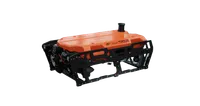
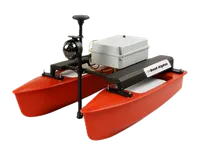
EyeROV, an India-based deep-tech company, builds AI-powered underwater ROVs, including the TUNA and SAGARA, specifically engineered for these inspection use cases across energy, maritime, and infrastructure sectors. The EVAP (EyeROV Visualization Analytics Platform) turns raw underwater data into structured, actionable intelligence.
Support Modern Energy Infrastructure with Smarter Underwater Inspection
Infrastructure you cannot inspect is infrastructure you cannot protect. As offshore wind expands, oil and gas operations push into deeper water, and ageing hydroelectric assets require closer monitoring, the visibility gap underwater becomes a growing operational risk.
AI-enabled ROV inspection programmes allow energy operators to catch defects early, reduce inspection costs, meet regulatory requirements, and build a verifiable record of asset condition over time. It is available, proven, and in active deployment across energy sectors worldwide.
Whether you operate offshore platforms, manage dam infrastructure, or maintain subsea pipelines, talk to the EyeROV team about how ROV-based inspection fits your operation. To understand the technology in more detail, read our guide on what an ROV is and how it works.
Frequently Asked Questions
What are the main sources of energy?
The main energy sources are solar, wind, hydroelectric, geothermal, biomass (renewables), and oil, natural gas, coal, and nuclear (non-renewables). Together they power virtually all electricity, heat, and transport systems globally.
What is the difference between renewable and non-renewable energy?
Renewable energy comes from naturally replenishing sources that will not run out on a human timescale. Non-renewable energy comes from finite resources, coal, oil, gas, uranium, that took millions of years to form and are depleted with use.
Which energy source is most sustainable?
Solar and wind are generally considered most sustainable, no direct emissions, inexhaustible inputs, and falling costs. Every source involves tradeoffs in land use, materials, and environmental impact.
How is offshore energy infrastructure inspected?
Through diver surveys and underwater drones. ROVs are increasingly preferred, they access greater depths, operate in hazardous conditions, and deliver high-quality sensor data without putting personnel at risk.
What is the future of global energy systems?
The global energy system is shifting toward a larger share of renewables supported by storage, smart grids, and green hydrogen. Maintaining both legacy and new assets safely will be a defining operational challenge for the next several decades.